
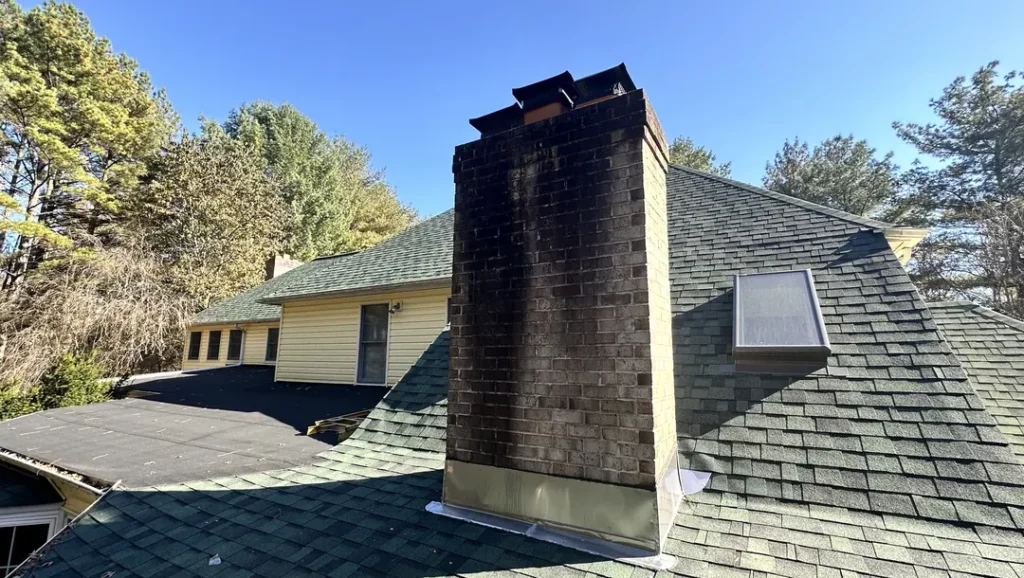
Chimney Bird Removal
Bird in the Chimney in Washington, DC
A bird in the chimney in Washington, DC can be trapped or nesting inside the flue. We provide chimney animal removal. Leave the fireplace off, and keep birds and nesting material undisturbed until the situation is assessed.
- Same-day service available
- Open 24/7
- Hablamos español
Get a fast quote
Bird in the Chimney: Trapped Bird or Active Nest?
Flapping near the fireplace can mean a bird has fallen into the lower chimney and cannot find its way out. Repeated chirping higher in the flue can point to nesting activity. These situations need different handling: a trapped bird needs a route out, while an occupied nest involves adult birds, eggs or young. Our chimney animal removal service addresses animals inside the chimney; sweeping addresses soot and creosote buildup.
What does a chimney sweep bird look like? The bird commonly meant by that name is a chimney swift, a small, dark bird with long, narrow wings and a short tail. A glimpse from below is rarely enough to identify the occupant, so avoid reaching into the fireplace or disturbing a nest to get a closer look. Sounds, visible debris and the bird’s location provide useful clues without handling it.
What Changes a Chimney Bird Removal Estimate?
- Where the bird is located — A bird visible in the firebox presents a different access problem from one above the damper. Its position determines which parts of the fireplace or chimney need access and whether the obstruction can be reached from below.
- Whether a nest is occupied — A bird’s nest in the chimney requires a different approach when eggs or young are present. Occupancy affects the timing and handling of the work. Leave nesting material in place until the nest has been assessed.
- How the chimney can be accessed — Roof height, roof slope and access around the fireplace affect the work involved. These conditions also influence visit length; reaching the bird and checking the entry point can require access to different parts of the chimney.
- Cleanup and repairs beyond removal — Animal removal, sweeping and cap repair address different issues. Debris can obstruct the flue, while a damaged cap leaves an entry point open. To request service, provide your Washington, DC address and note any roof or fireplace access restrictions.
Need help now? (771) 209-4584
How Birds Enter and Become Trapped in a Chimney
An uncovered chimney opening
An open chimney top gives birds direct access to the flue. A cap can limit entry, but the opening must remain unobstructed while birds are still inside.
Damaged or displaced cap screening
A cap can remain on the chimney while damaged screening leaves a gap large enough for a bird. The cap’s attachment and screening both matter when deciding whether repair or replacement addresses the entry point.
A sheltered nesting space
Some birds use chimney interiors as shelter or nesting sites. Repeated visits through the chimney top can indicate an occupied nest rather than a bird that entered once and became trapped.
A fall into the lower fireplace
A bird can descend into the chimney and end up near the damper or firebox. Narrow passages and closed components can prevent it from returning upward, even when the chimney opening remains accessible above.
What Bird Sounds and Debris Mean in Your Chimney
Flapping close to the fireplace
Wingbeats or scratching near the damper can indicate a bird in the lower chimney. Listen from outside the fireplace opening; reaching upward can injure the bird or bring it into the room.
Repeated chirping higher in the flue
Calls from the same location, especially alongside birds entering from above, can indicate nesting activity. Sound alone does not establish whether eggs or young are present.
Twigs, feathers or droppings below
Material falling into the firebox can signal bird activity above. Do not pull on visible nesting material: part of the nest can remain attached higher in the flue.
Smoke entering the room
Nesting material can restrict the path smoke needs to leave the home. Stop using the fireplace if smoke enters the room; bird removal alone does not establish that the flue is clear for use.
Need help now? (771) 209-4584
Frequently asked questions
Can I contact you at night or on a weekend about a bird in my Washington, DC chimney?
Yes. We are open 24 hours a day, 7 days a week, including nights and weekends. Call (771) 209-4584 for chimney animal removal. A bird already loose inside the home should be kept away from children and pets while you arrange service.
Does a bird in my chimney mean the chimney cap needs repair or replacement?
Bird entry alone does not establish that the entire cap needs replacement. A loose attachment or damaged screening can create an entry point, while a missing or extensively damaged cap presents a different repair need. The condition of the cap determines the work, and any closure must wait until birds are out.
Is it safe to open the fireplace doors while a bird is inside the chimney?
Keep the fireplace doors closed while the bird remains inside. Opening them can give the bird a path into your living space. Closed doors do not make a blocked chimney safe to use, and they should never be treated as a substitute for clearing the flue.
What information should I have when I call about a bird in my Washington, DC chimney?
Have your service address, fireplace type and access details ready. Tell us whether a bird is visible in the firebox, whether sounds come from higher in the flue, and whether you have already used the fireplace since noticing activity. Share only what you can observe safely; you do not need to climb onto the roof or reach into the chimney.
Arrange Chimney Bird Removal
Call (771) 209-4584 with your service address, fireplace type and access details to book chimney animal removal.