
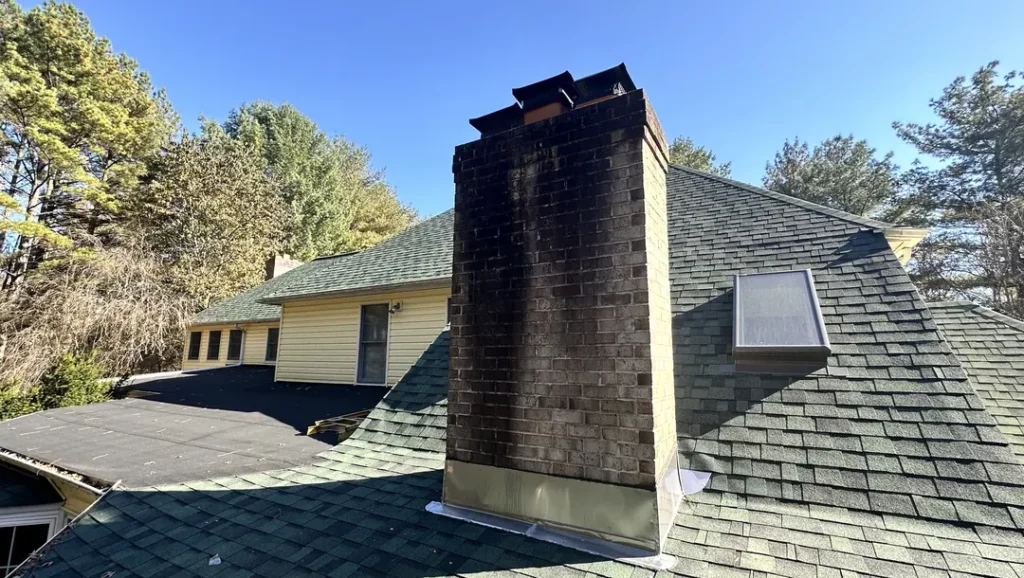
Recognize Chimney Fire Damage
Signs of a Chimney Fire in Washington, DC
A chimney fire in Washington, DC can damage the flue even after the flames stop. Chimney fire: leave and call 911. We inspect chimneys and provide chimney fire damage repair to address damage before you use the fireplace again.
- Same-day service available
- Warranty starting from 2 years
- We speak Spanish
Get a fast quote
How Do Chimney Fires Start Inside the Flue?
Creosote is a combustible residue that collects inside a chimney as wood smoke cools. Heat or embers can ignite those deposits, allowing fire to burn inside the passage that carries smoke outdoors. Heavy deposits and restricted airflow contribute to what causes chimney fires, making the condition of the flue important even when the fireplace appears to burn normally.
Some chimney fires produce a loud roar and visible flames; others burn with few obvious signs. A quiet event can still damage a liner or surrounding masonry, so the absence of noise does not establish that the chimney is sound. Our chimney fire damage repair addresses the damage left behind, with inspection used to identify the affected chimney components.
Chimney Fire Signs You Can Hear or See
A roaring sound from the chimney
A loud rushing, roaring or rumbling sound during fireplace use can indicate combustion inside the flue. Treat an unusual sound accompanied by intense heat or smoke as an emergency; do not approach the fireplace to investigate.
Flames or heavy sparks above the chimney
Flames or a sustained shower of sparks coming from the chimney top are signs of a chimney fire. Move away from the building rather than standing underneath the chimney or climbing onto the roof for a closer look.
Puffy deposits or heat-damaged components
Expanded, honeycomb-like creosote, distorted metal or cracked flue tiles can be evidence of excessive heat. These findings require inspection because the visible damage does not show the full condition of the passage behind it.
New debris or a sudden change in venting
Pieces of flue tile in the fireplace or a new smoke problem can signal damage or an obstruction, although neither proves a chimney fire occurred. Stop using the fireplace and arrange an inspection instead of lighting another fire to test the draft.
Need help now? (771) 209-4584
Does Chimney Fire Damage Require Repair or Replacement?
The repair decision starts with the condition of the liner, masonry and connected fireplace components. Localized damage can call for a targeted repair, while a liner that no longer contains heat and combustion gases needs a different solution. We offer chimney liner repair, chimney liner installation, masonry repair and chimney rebuild services, allowing the work to address the component actually affected. A chimney video inspection helps examine interior surfaces that are difficult to see from the fireplace opening. Before approving work, ask which damaged areas require attention and which inspection findings support the proposed repair or replacement. You can request service for an inspection after a suspected fire.
Chimney Fire Prevention After a Suspected Fire
- Keep the fireplace out of use — After emergency responders have cleared the property for reentry, leave the fireplace unused until the chimney has been inspected. Do not light a small test fire: a damaged liner can expose nearby combustible materials to heat even when the flames look normal.
- Record only what you can observe safely — From a safe location, note unusual sounds, smoke, falling debris or changes you noticed during the event. Keep any photographs you already have, but do not climb onto the roof, reach into the flue or remove damaged pieces to obtain more evidence.
- Arrange inspection before the next burn — Request an inspection for suspected chimney fire damage and tell us whether firefighters attended. After the damage is addressed, chimney sweeping and creosote removal address combustible deposits; an inspection checks the chimney’s condition rather than simply removing material.
Need help now? (771) 209-4584
Frequently asked questions
What Should I Tell You When I Call About a Chimney Fire in Washington, DC?
Give us your Washington, DC service address, whether emergency responders attended and whether the fireplace has remained unused since the event. Mention any roaring sounds, visible sparks, new debris or smoke you observed without putting yourself at risk. You do not need to determine how a chimney fire started before requesting an inspection; those observations provide context for examining the damage.
How Long Does a Chimney Fire Inspection and Repair Visit Take?
The visit length depends on access, the areas requiring examination and whether an interior video inspection is needed. Inspection and repair are separate tasks: examining the damage establishes whether the work involves a localized repair, liner replacement or more extensive masonry work. When booking, ask about the inspection scope and whether any repair work will require a separate appointment.
Is It Safe to Keep Using My Fireplace or Its Glass Doors After a Suspected Chimney Fire?
Keep the fireplace out of use until the chimney and affected fireplace components have been inspected. Glass doors do not contain damage inside the flue or make a damaged liner safe to use. Cracked glass, distorted frames or doors that no longer close normally also require attention; do not force damaged doors or use them as a reason to resume burning.
Can I Call DC Chimney at Night or on a Weekend After a Chimney Fire?
Yes. We are open 24 hours a day, 7 days a week, including nights and weekends. For inspection or repair after the emergency has been handled, call (771) 209-4584 and identify the request as suspected chimney fire damage. Emergency responders handle an active fire; our chimney service addresses inspection and repair afterward.
Schedule a Post-Fire Chimney Inspection
Call (771) 209-4584 to book an inspection for suspected chimney fire damage in Washington, DC.