
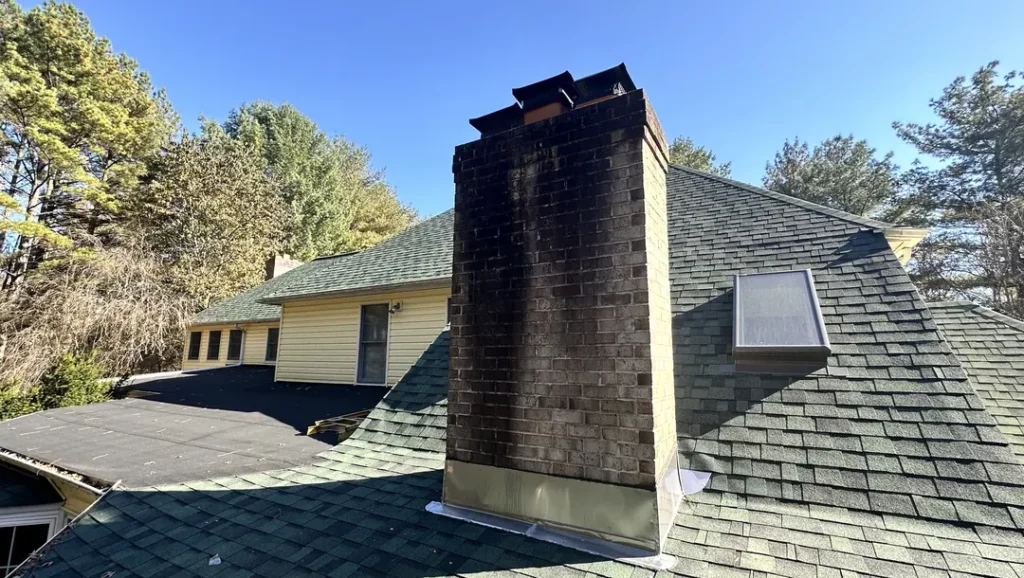
Chimney Deposit Removal
Creosote Removal in Washington, DC
Creosote removal in Washington, DC addresses chimney deposits; our chimney sweep starts at $89. We remove creosote buildup, with same-day service available and service 24 hours a day, 7 days a week.
- Owner with 22 years of chimney experience
- Warranty starting from 2 years
- Hablamos español
Get a fast quote
When Creosote Removal in Washington, DC Needs More Than Routine Sweeping
Black flakes collect inside the fireplace
Flakes falling into the firebox signal deposits above the fire, but their appearance does not show the full extent of buildup. We check the chimney deposits rather than treating the material you can see as the whole job.
The chimney has a hard, shiny coating
Dense, glazed creosote behaves differently from loose soot and does not simply brush away. Creosote removal from a chimney starts with identifying the coating so the removal method matches the deposit.
Smoke enters the room during a fire
Buildup can restrict the smoke passage, but deposits are only one possible cause of smoke entering your home. We distinguish the cleaning work from chimney or fireplace conditions that require repair.
A previous cleaning left stubborn deposits
Removing loose material does not establish that a hard coating underneath has been addressed. Show us any previous service findings so we can focus on the remaining buildup and its location.
You are returning a wood-burning fireplace to use
An unused fireplace can still contain deposits left by earlier fires. Before using it again, arrange a chimney inspection and address existing buildup instead of judging the chimney by the appearance of the hearth.
Which Chimney Deposits Creosote Removal Addresses
- Deposit condition — We distinguish loose, flaky material from crusted or glazed buildup. That distinction determines whether brushing addresses the deposit or further treatment needs assessment.
- Buildup inside the flue — The flue carries combustion gases out of the home. Deposits along its interior need attention beyond cleaning the visible fireplace opening.
- Material above the firebox — Creosote can collect in the passage above the fire. We consider this area when identifying where deposits remain and where removal work is needed.
- Loose soot and flakes — Loose debris and attached deposits require different attention. Removing fallen flakes from the firebox alone does not address buildup higher in the chimney.
- Hardened coatings — A hard coating needs a removal approach suited to its condition. Repeated brushing is not a substitute for assessing material that remains attached.
- Remaining deposits — We review the areas addressed during removal for material that remains. A cleaner-looking fireplace opening does not establish the condition of the entire flue.
- Damage separate from buildup — Cracked masonry, damaged liners and deteriorated chimney components require repair work. Removing deposits does not repair those defects or replace a chimney inspection.
Need help now? (771) 209-4584
Removing Creosote Starts With the Deposit’s Condition
- Prepare access to the fireplace — Let the fireplace cool before the visit and clear belongings from the hearth and access path. Have any previous inspection or cleaning report available; its findings help identify deposits or damage that already received attention.
- Assess the buildup and removal scope — We check the deposit’s location, texture and extent before selecting the removal approach. Cleaning creosote involves different work when the material is loose than when it forms a dense coating attached to the chimney interior.
- Remove deposits using the appropriate approach — We address the buildup according to its condition and the accessible chimney surfaces. Loose material and hardened coatings require different handling, so the work follows the deposit assessment rather than treating every chimney as the same cleaning job.
- Review the areas addressed — We check for remaining buildup and identify conditions that need inspection or repair. Deposit thickness, chimney access and the removal method affect the time needed for the visit; a routine sweep and hardened-deposit treatment involve different amounts of work.
What Affects the Cost of Creosote Removal
The deposit’s condition is a central pricing factor. Loose soot that a chimney sweep can remove involves different work from a thick, hardened coating. The amount of buildup, its location and access to the chimney also affect the scope of removal.
Chimney condition matters because cleaning and repair address different problems. Removing creosote does not mend a damaged liner, cracked firebox or deteriorated masonry; those conditions fall under chimney repair. When booking, provide any existing inspection findings so the removal request accounts for known deposits and damage.
Need help now? (771) 209-4584
DC Chimney Brings Sweeping and Repair Experience to Creosote Removal
Owner Gregory Mitchell has 22 years of experience in chimney sweeping and repair, covering both deposit removal and chimney defects. Our chimney work carries a warranty starting from 2 years. We come to your home from our Connecticut Avenue NW base, serving all of Washington, DC and the surrounding service area. Use our contact form to book creosote removal, and include any previous chimney inspection findings with your request.
More on creosote removal
Related services
Guides on creosote removal
Frequently asked questions
How much does creosote removal cost?
Our chimney sweep starts at $89; creosote removal pricing depends on the deposit condition and work required. Loose buildup and hardened glaze involve different removal work. Chimney access, the extent of deposits and any separate repair needs also affect the scope.
How do you remove creosote from a chimney?
We first assess whether the deposit is loose, crusted or hardened, then match the removal approach to that condition. Brushing addresses removable soot and deposits, while a hard coating needs further assessment. We review the areas addressed for remaining material rather than judging the result by the hearth alone.
Do creosote cleaning logs replace a chimney sweep?
Creosote cleaning logs do not replace physical chimney cleaning or inspection. A treatment product does not collect fallen debris, establish that the flue is clear or identify damaged chimney components. Keep the product packaging or instructions available if you have used one before the service visit.
Can I clean creosote from a chimney myself?
Clearing ashes from the firebox does not clean creosote attached inside the flue. The full removal task depends on deposit hardness, access and chimney condition, which you cannot establish by looking through the fireplace opening alone. Our creosote removal service addresses chimney deposits beyond ordinary hearth cleanup.
Do I need PCR chimney cleaning for hardened deposits?
PCR chimney cleaning refers to a treatment approach for hardened creosote, rather than another name for routine sweeping. A shiny coating alone does not establish which treatment suits the chimney. The deposit and chimney surface need assessment before selecting a removal method.
Do you provide creosote removal outside Washington, DC?
We serve nearby suburbs in Montgomery and Prince George’s counties in Maryland, plus Arlington, Alexandria and Fairfax County in Virginia. We travel to your home from our Connecticut Avenue NW base. Include your service address when booking so the visit is arranged for the correct property.
Book Creosote Removal for Your Chimney
Call (771) 209-4584 to book a home visit. Have your service address and any previous chimney inspection findings ready.