
How Long Does a Chimney Sweep Take?
How long a chimney sweep takes depends on the deposits, access, and whether the chimney needs additional inspection or repair. Routine sweeping involves fewer steps than removing hardened buildup or investigating a blockage, so plan around the work your chimney needs.
Need help now? (771) 209-4584
How Long Does a Chimney Sweep Take When the Work Is Straightforward?
A straightforward chimney sweep centers on removing accessible soot and brushable deposits from the chimney passage. The appointment also needs room for protecting the work area, accessing the fireplace or appliance, and collecting loosened debris. The time spent brushing is only one part of the visit.
An accessible fireplace with routine deposits involves less work than a chimney with an obstruction or hardened creosote. Count each fireplace or appliance you want serviced when arranging the appointment. Multiple appliances can mean separate venting systems, each requiring attention.
For our chimney sweep service, distinguish routine sweeping from additional services such as video inspection, creosote removal, or repair. Confirming the booked scope helps you reserve time for the actual work.
What Makes a Chimney Sweep Visit Take Longer?
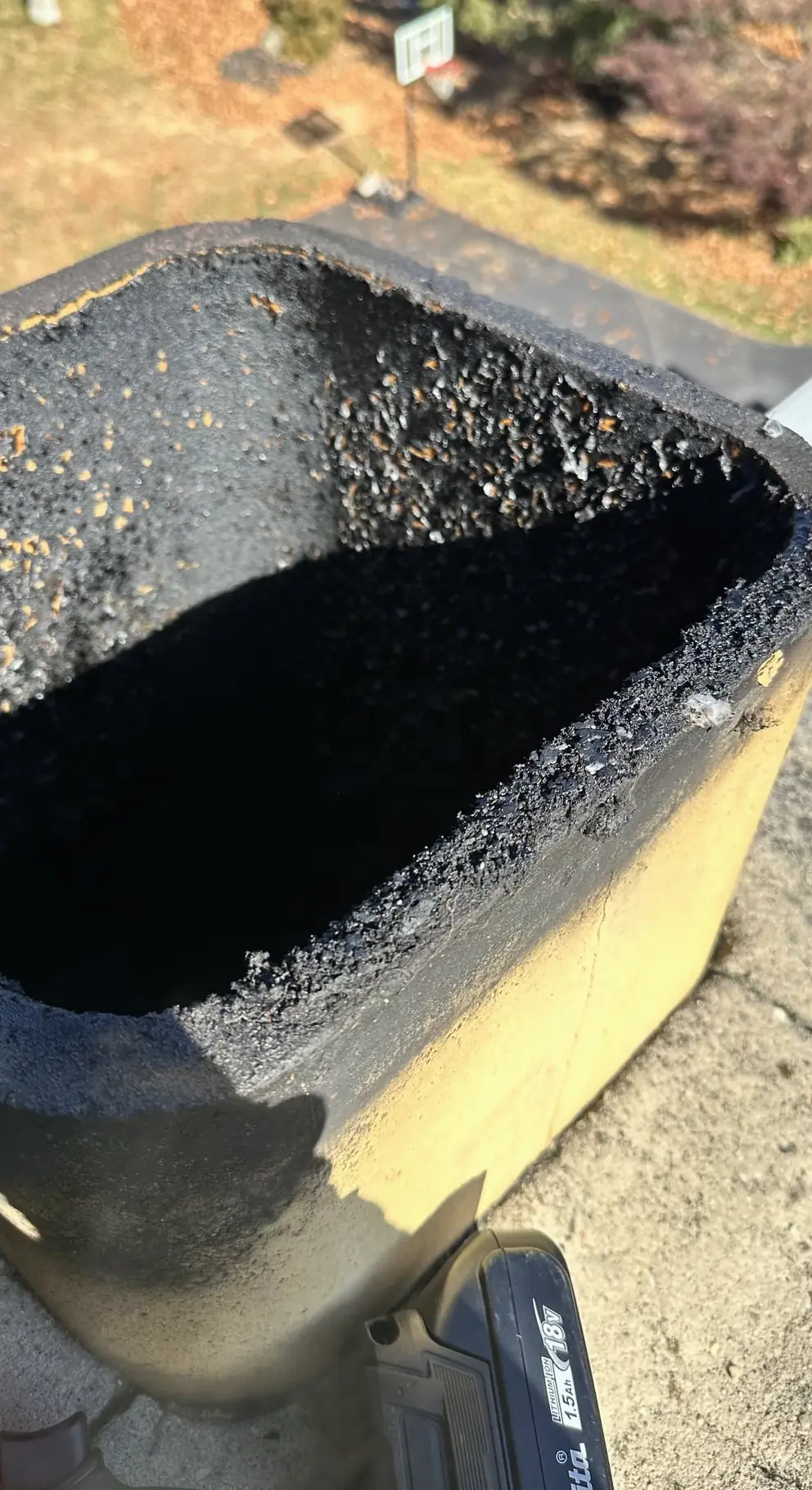
- Hard deposits instead of loose soot — Loose soot and hardened creosote require different treatment. A shiny, firmly attached coating can require additional removal work beyond routine brushing.
- An obstruction in the flue — Nesting material or other debris changes the task from ordinary deposit removal to clearing a blocked passage. Leave anything lodged above the firebox for professional attention.
- Restricted fireplace or appliance access — Furniture, stored logs, and tightly enclosed appliances can complicate access. Clear the room around the hearth, but leave appliance movement and vent connections to the professional.
- More than one chimney passage — Two fireplaces do not automatically share one cleaning task. Include every fireplace, stove, or chimney you want addressed when booking.
- Damage discovered during cleaning — Broken liner material or deteriorated masonry requires assessment beyond removing soot. Sweeping clears deposits; it does not repair the damaged parts.
Which Chimney Appointment Fits the Work You Need?
Routine sweeping for removable deposits
Choose a sweeping appointment for soot and deposits that need mechanical removal. Ask which fireplace, flue, and accessible connecting parts the booked service covers.
Creosote removal for stubborn buildup
Hardened deposits can require specialized removal methods. Treat that work as a distinct scope when planning the appointment, rather than assuming ordinary brushing will remove every deposit.
Video inspection for a closer examination
A camera examination addresses the condition of the chimney interior. It serves a different purpose from sweeping, so include inspection in the booking when the chimney needs assessment as well as cleaning.
Repair for damaged chimney components
Cracked lining, deteriorated masonry, and damaged dampers need repair decisions. Cleaning alone does not resolve those defects, even when it removes the deposits around them.
Need help now? (771) 209-4584
Eight Ways to Prepare Your Fireplace for a Chimney Sweep
- Let the fireplace cool completely — Stop using the fireplace before the appointment so the firebox and remaining ashes are cold. Check for lingering heat without touching ash or reaching into the firebox.
- Clear a path to the hearth — Move chairs, baskets, and stored firewood out of the access route. Check that doors can open without blocking the path.
- Move fragile hearth decorations — Remove loose objects from the mantel and hearth surround. Check that nothing can fall into the work area when equipment passes nearby.
- Keep children and pets elsewhere — Arrange a separate room away from the fireplace and equipment route. Check that gates or doors keep that separation in place.
- Locate existing chimney records — Gather previous inspection reports and repair paperwork. Check whether they identify the appliance, flue, or a previously noted defect.
- Look from outside the firebox — Use a flashlight from the room to note visible fallen material or an obvious obstruction. Keep your head and hands outside the opening, and leave lodged material undisturbed.
- Leave chimney parts assembled — Keep the damper, stove pipe, insert panels, and chimney cap in place. Check that your preparation has cleared access without disconnecting or loosening any component.
- Count the appliances on your booking — Review which fireplaces or stoves you want serviced. Check that the appointment covers each one before the work starts.
When Does a Chimney Sweep Need an Additional Inspection?
A property sale, appliance change, relining, or a fire or weather event can call for a Level 2 inspection. That inspection includes a video scan, according to the CSIA Level 2 inspection procedure. Include that requirement when planning the work instead of treating it as routine sweeping.
Cleaning and inspection answer different questions: cleaning removes deposits, while inspection examines condition. Where both are needed, allow the appointment scope to cover both tasks. A clean passage can still have a defect that requires repair.
What Should Happen If Sweeping Reveals a Chimney Problem?
A blockage, damaged liner, or heavy glazed deposit changes the next step. Ask which finding prevents completion of the original cleaning task and which additional service addresses it. Keep the fireplace out of use when an obstruction or damage remains unresolved.
Request a clear distinction between work completed and work still needed. Useful findings identify the affected part, such as the damper, flue liner, or smoke chamber, rather than simply calling the chimney dirty.
A longer appointment does not automatically mean better work, and a shorter appointment does not establish that every chimney component is sound. The useful measure is whether the booked cleaning was completed and any findings were identified. Our article on whether a chimney sweep is worth it explains the purpose of removing deposits.
Need help now? (771) 209-4584
Does Annual Chimney Inspection Mean Annual Sweeping?
Annual inspection and sweeping are separate decisions. The CSIA homeowner resources summarize the annual inspection rule and identify 1/8 inch of sooty buildup as a sweeping threshold for an open masonry fireplace. Deposit condition also matters, including glazed creosote.
Do not use last year’s appointment length to decide what this year’s chimney needs. Inspection findings and current deposits determine the work. Keep the previous report so the next assessment can address earlier findings as well as the chimney’s present condition.
How Do You Book a Chimney Sweep Without Missing Part of the Job?
When booking with DC Chimney, include your service address, the number of fireplaces or stoves, and whether you are requesting sweeping, inspection, or both. Include any existing report that calls for camera inspection or additional work. These details define the appointment’s scope.
We come to your home and are open 24 hours a day, 7 days a week. Use our contact page or call (771) 209-4584 to arrange the appointment. Keep access to the fireplace clear until cleaning, debris collection, and the review of findings are finished.
Frequently asked questions
Can I leave home while my chimney is being swept?
Arrange access to the fireplace and any other areas required for the booked work before leaving. Confirm who can authorize additional work and receive the findings, especially when inspection is part of the appointment.
Will chimney sweeping take longer if the damper is stuck?
A stuck damper can restrict access and requires assessment before work proceeds through that opening. Leave the handle alone rather than forcing it. We offer chimney damper repair when the component needs repair beyond cleaning.
Can one chimney sweep appointment cover two fireplaces?
Include both fireplaces when booking so each is part of the requested work. Separate flues require separate attention, even when the fireplaces sit within the same chimney structure.
Should I light a fire immediately after the chimney sweep leaves?
First review whether the cleaning is complete and whether any finding requires further inspection or repair. If the appointment includes repair work, follow the instructions for that work before using the fireplace.
Book the Chimney Work You Need
Call (771) 209-4584 with your service address and the fireplaces or stoves you want included.