
Who Do You Call for Chimney Repairs?
For chimney damage, call a chimney repair specialist, and keep a visibly damaged fireplace unused until it is inspected. We repair chimney masonry, liners, caps, flashing, dampers and fireboxes.
Need help now? (771) 209-4584
Who to Call for Chimney Repairs Starts With the Affected Parts
Choose a chimney repair specialist when the problem involves the flue, firebox, damper, chimney top, or chimney masonry. These parts work together to contain heat and carry exhaust outside. A repair decision needs to account for the chimney’s function as well as the visible damage.
Start with an inspection when you cannot see where the problem begins. A ceiling stain, for example, identifies where water appeared inside your home; it does not identify the opening where water entered.
Our chimney repair service covers work including crown repair, masonry repair, tuckpointing, liner repair, flashing repair, and damper repair. Owner Gregory Mitchell has 22 years of experience in chimney sweeping and repair.
Match the Chimney Damage to the Repair You Request
- Crumbling mortar or damaged bricks — Request a chimney masonry assessment. Mortar joints, individual bricks, and a damaged section of chimney require different repair scopes; photographs should identify which parts need work.
- Water around the fireplace or chimney — Request chimney leak inspection rather than choosing waterproofing first. The cap, crown, masonry, and roof flashing are separate potential entry points that need checking.
- A damper that will not move properly — Request damper inspection and repair. Do not force the handle or light a fire to test whether exhaust will escape.
- Cracks or loose material inside the firebox — Request firebox inspection before another fire. Leave loose pieces in place and photograph them so the person inspecting can see their original location.
- Smoke entering the room — Stop using the fireplace and request an inspection of the venting system. Cleaning addresses deposits and obstructions; damaged components or a draft problem require a different response.
Chimney Specialist, Roofer, or Mason: Which Repair Role Fits?
Chimney repair specialist
Choose this starting point for liner damage, firebox problems, damper faults, or an unclear chimney defect. Ask whether the inspection covers the connected parts involved in the symptom, rather than only the spot you can see.
Roofer
A roofer fits work involving roof coverings and the junction between the roof and chimney. For a leak at that junction, establish who will inspect and repair the flashing and who will assess the chimney above it.
Masonry contractor
A mason fits brick and mortar work. Before assigning chimney work, ask how the proposed masonry repair accounts for the flue, chimney crown, and existing damage beyond the exterior joints.
Gas fireplace service professional
Request gas fireplace service when the fault involves the fireplace’s burner, ignition, or controls. A chimney repair alone does not address those appliance components; we also offer gas fireplace inspection, service, and repair.
Need help now? (771) 209-4584
The Chimney Inspection Should Establish What Needs Repair
Ask for findings that name the affected component, show its condition, and connect that condition to the recommended work. An exterior photograph does not show the inside of the flue. Ask whether a chimney video inspection is needed to examine areas that cannot be viewed directly.
The CSIA Level 2 masonry chimney inspection procedure identifies circumstances such as an appliance change, property sale, relining, or a fire or weather event as reasons for a Level 2 inspection. That inspection includes a video scan of the flue interior.
Sweeping becomes relevant when deposits or obstructions need removal. CSIA homeowner guidance cites annual chimney inspection and a cleaning threshold of 1/8 inch of soot buildup. Book a chimney sweep in Washington for cleaning needs, and request repair assessment when inspection finds damaged components.
Eight Ground-Level Steps Before a Chimney Repair Visit
- Leave the fireplace off — Let the fireplace cool before approaching the opening. Check that no embers remain before taking photographs; do not light a test fire to reproduce the problem.
- Photograph the fireplace opening — Use a phone camera and flashlight from outside the firebox. Check that the pictures show both the overall opening and the visible crack, stain, or loose material without reaching inside.
- View the chimney from the ground — Use binoculars or your camera’s zoom to view the chimney top and exposed masonry. Check whether your photographs clearly show the affected area; leave roof and ladder access to the professional.
- Record when water or smoke appears — Use a notebook to record whether staining followed rain or smoke appeared during fireplace use. Check that each note distinguishes something you observed from an older mark you only recently noticed.
- Identify the connected appliances — List the fireplace, stove, or other appliance you know connects to the chimney. Check existing appliance paperwork for names and installation details rather than disconnecting a pipe to investigate.
- Gather previous chimney records — Collect inspection reports, repair invoices, and installation documents. Check for previous liner work or unresolved findings that the inspecting professional needs to review.
- Clear the route to the fireplace — Move furniture and belongings away from the work area without touching damaged chimney parts. Check that the fireplace opening and any accessible cleanout door are unobstructed.
- Match the proposed work to the findings — Review the named parts, photographs, and repair scope before authorizing work. Check that each proposed repair corresponds to a documented condition and that the completion check is included.
A Chimney Repair Scope Should Name the Part and the Completion Check
Ask for a written scope that identifies the location and extent of each repair. For masonry work, distinguish mortar joint repairs from brick replacement or rebuilding a section. For liner work, distinguish a local repair from installation of a replacement liner.
The scope should also identify access arrangements, protection of the fireplace area, debris removal, and how the completed work will be checked. Ask which findings could change the scope once damaged material is removed, and require authorization before additional work begins.
Compare proposals by the work included. Our guide to what affects chimney repair cost explains why different damaged components produce different repair scopes.
Need help now? (771) 209-4584
Chimney Repairs Go Wrong When the Symptom Replaces the Diagnosis
- Waterproofing without finding the leak — A masonry treatment does not replace missing flashing or repair a damaged crown. Request evidence of the entry point before authorizing a treatment as the complete solution.
- Cleaning presented as a structural repair — Sweeping removes deposits; it does not rebuild mortar joints or replace a damaged liner. Check whether the findings call for cleaning, repair, or both.
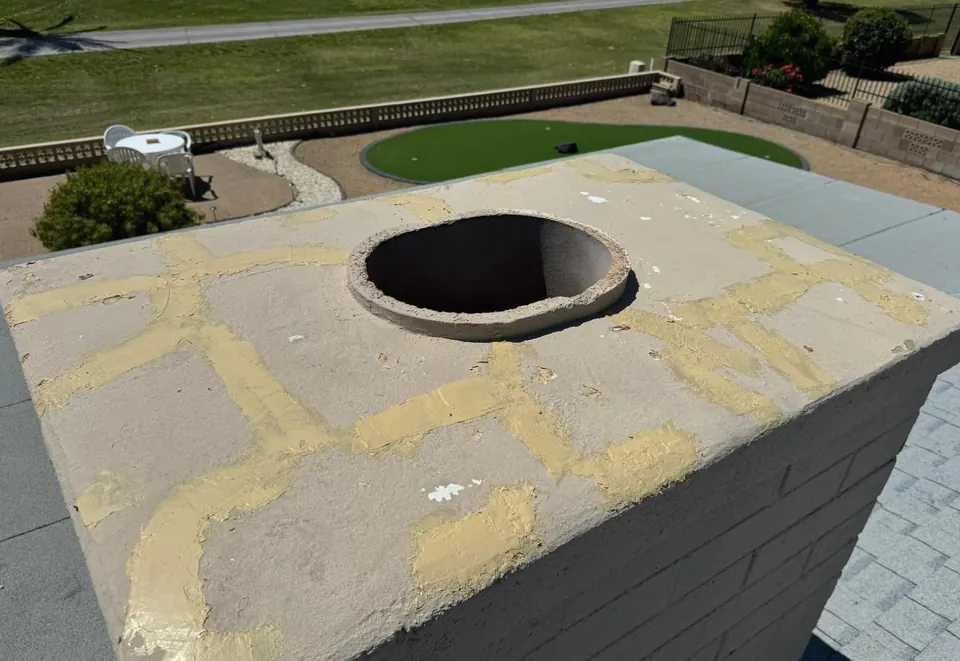
- Replacing the cap while ignoring the crown — The cap covers the flue opening, while the crown forms the top surface of a masonry chimney. Ask which component is damaged so the proposed replacement addresses the actual defect.
- Approving exterior work without addressing interior findings — New mortar outside does not resolve a documented defect inside the flue. Keep the inspection report with the repair scope and check that interior findings receive a specific recommendation.
Book a Chimney Repair Visit in Washington With a Defined Scope
We serve all of Washington, DC from our Connecticut Avenue NW base and come to your home. We are open 24 hours a day, 7 days a week; use our contact form or phone (771) 209-4584 to request an appointment.
Before booking, establish whether the appointment covers inspection, cleaning, or an agreed repair, and request the expected visit length for that work. An inspection and a chimney rebuild involve different tasks, access, and completion checks.
After repair, review the completed work against the written scope and keep the findings, photographs, and invoice together. Before using the fireplace again, obtain the repairer’s instructions on return to use, including any required curing period or remaining work.
Frequently asked questions
Can DC Chimney inspect and repair the same chimney?
Yes. We offer chimney inspection, video inspection, and repairs to components including masonry, liners, crowns, flashing, and dampers. Establish the inspection scope when booking, then approve repair work against the findings.
Should I book chimney sweeping or repair for a smoky fireplace?
Book an inspection to determine why smoke is entering the room, and stop using the fireplace until the cause is addressed. Sweeping deals with deposits and obstructions; repair addresses damaged parts. We offer chimney sweeping and smoky fireplace repair, so the findings determine the work required.
Who should inspect a leak where the chimney meets the roof?
Start with a professional who will assess the chimney flashing and the surrounding roof junction. A chimney specialist evaluates chimney components, while a roofer addresses roofing defects. Ask for photographs identifying the entry point so responsibility for each part of the repair is clear.
Can I keep using my fireplace while waiting for chimney repair?
Keep it out of use when there is visible firebox or flue damage, loose material, or smoke entering the room. A fault at the chimney top also needs assessment before you treat the fireplace as ready to use. After inspection or repair, follow the professional’s specific return-to-use instructions.
Request a Chimney Repair Assessment
Book with DC Chimney at (771) 209-4584. Have your chimney photographs and previous inspection report ready for the visit.